Whether you are buying a home, refinancing, or managing a property portfolio, termite documentation matters. Show Me Pest Control's certified inspectors in Denver deliver thorough written reports with findings, photographs, and itemized treatment options.
Call +1-866-315-0243 — Schedule InspectionFrom written report to transferable warranty, here is what distinguishes a certified inspection from a visual walk-through.
Your inspection does not end with a verbal summary. Every inspection produces a written document: findings, photographs, location notes of evidence, and the inspector's assessment — formatted for use in real estate transactions, lender requirements, and property records.
Your treatment recommendation is based on what species is present and where. We identify first, then explain your options with itemized pricing — you choose the approach that fits your situation and budget.
We have completed termite inspections for real estate transactions across Denver, NC. Our reports name the licensed inspector, the inspection date, all findings, and all treatment options — the format your lender and realtor can work with directly.
Our warranties follow the property, not the homeowner. At sale, the buyer receives the warranty documentation, the treatment records, and the transfer paperwork — all handled by Show Me Pest Control.
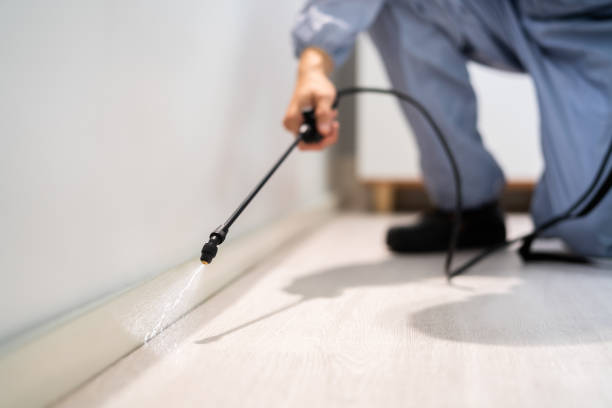
Every Show Me Pest Control termite inspection in Denver produces a written report with findings, photographs, and itemized treatment options. The document is yours to keep regardless of whether you proceed with treatment.
Species identification is not a formality — it is the decision that determines every treatment step that follows. Subterranean termites, which travel between the soil and structure through mud tubes, respond to soil barrier and bait station programs. Drywood termites, which have no soil dependency, may require localized wood injection, fumigation, or heat treatment depending on extent and location. Formosan colonies, known for their size and aggression, require a more intensive approach than standard subterranean programs. Show Me Pest Control inspectors in Denver confirm species before presenting options — this is the core reason the written report matters.
Most homeowners who call about a termite concern in Denver describe evidence they dismissed initially — and that describes most early-stage infestations. Swarmer wings near windows and door frames in spring are one of the most frequently overlooked indicators; the termites themselves are rarely seen, but the discarded wings they leave after landing are diagnostic. Hollow-sounding wood when tapped, particularly in floor framing near a crawl space or at door frames, indicates the interior has been consumed. Mud tubes on foundation exterior surfaces — thin, pipe-like structures that follow the foundation line, pier surfaces, or utility entry conduit — are the most definitive external evidence of subterranean activity. They are often mistaken for dirt drips or moisture staining by homeowners who have not seen them before. Frass deposits near baseboards or beneath wood furniture indicate drywood activity.
Noticed something that could be termites in Denver? Call +1-866-315-0243 — we schedule certified inspections fast.
A thorough inspection in Denver requires examining areas that show no obvious evidence. The inspector uses a moisture meter to locate elevated readings in framing that may indicate termite or moisture damage below the surface. The probe identifies hollow wood members that sound solid when walked on. Mud tube evidence that may be months or years old looks similar to fresh tubes and requires experience to differentiate — fresh tubes have an earthy, moist appearance; older tubes are dry and brittle. The written report distinguishes active from historical activity, which matters significantly for treatment decisions and for real estate purposes.
Understanding the treatment options before committing to one is part of what the written report is designed to enable. A liquid soil barrier involves trenching or drilling and injecting termiticide into the soil at the foundation perimeter, creating a chemical zone that kills termites crossing it and, with some formulations, transfers the product back to the colony. It is appropriate for active subterranean infestations and for preventive treatment where evidence of conducive conditions is found. A bait station network involves installing in-ground stations around the perimeter that contain a slow-acting bait; termites find the stations, feed on the bait, and carry it back to the colony where it suppresses reproduction. The bait approach takes longer to achieve colony suppression but involves minimal property disturbance and no interior drilling. Wood injection is a direct treatment for localized drywood colonies, involving injection of insecticide into affected wood members at the point of activity. Fumigation — tent fumigation using sulfuryl fluoride gas — is appropriate when a drywood infestation has spread through multiple structural members and localized treatment is not sufficient. Show Me Pest Control presents each applicable option with cost and expected timeline, and the choice is yours.
Property transactions in Denver move faster and with fewer surprises when termite documentation is in place before the process starts. A completed Show Me Pest Control inspection report with a clean finding, or a treatment warranty following remediation, reduces the uncertainty that slows real estate transactions. Lenders typically require a current inspection as part of the mortgage process — having it prepared in advance rather than ordered under closing deadline pressure means the inspection is scheduled and conducted thoroughly rather than rushed. Show Me Pest Control produces reports that are formatted for the uses your realtor, lender, and title company need, and our warranties are structured to transfer to the new owner at the time of sale.
Every treatment option listed here follows from an inspection report — we do not sell packages without first knowing what is there.
A full property inspection — exterior perimeter, foundation, interior framing, crawl space, and attic — producing a written report with photographs, findings, and itemized treatment options. This report is yours to keep and is formatted for real estate, lender, and insurance use.
Termiticide injected into the soil at the foundation perimeter creates a treated zone that kills subterranean termites on contact and — with certain product formulations — transfers the active ingredient back to the colony. Appropriate for active infestations and for preventive treatment in identified risk zones.
Bait stations offer a lower-disturbance alternative to soil injection, with ongoing monitoring built into the program. Stations are checked on a scheduled basis; active stations are serviced and documented. Colony suppression typically occurs over a longer timeline than liquid treatment.
Fumigation is never recommended as a first option — it is indicated when the inspection finds widespread drywood activity that localized injection or heat treatment cannot adequately address. The written report will explain why, with the specific findings that drive the recommendation.
This is the targeted alternative to fumigation for drywood situations that have not spread widely through the structure. Show Me Pest Control's inspectors in Denver identify whether localized injection is appropriate based on the written findings — the report explains the scope and the basis for the recommendation.
Annual renewal visits include a full re-inspection of the property, comparison to the prior year's documented baseline, and renewal of the treatment warranty. Findings are documented to the same standard as the initial report — any new activity identified during a renewal visit is addressed under the warranty terms.
From your first call to the report in your hands, the process is designed around information first.
Call +1-866-315-0243 and confirm a same-week or next-week appointment in Denver. Let us know if the inspection is for real estate, a concern you have noticed, or a routine scheduled check.
The exterior and interior inspection follows a documented sequence. No visible area is skipped. Photographs and notes are recorded throughout so the written report is accurate and complete.
You receive the written report before any treatment is scheduled. It includes the inspector's name and license number, the date, all findings with photographs, and treatment options with cost for each applicable approach.
Treatment is performed at the scope the report found to be warranted. The warranty is issued on completion and is formatted for lender and real estate use. Renewal scheduling is handled by Show Me Pest Control so the coverage does not lapse.
Three situations where the written report and treatment documentation made a measurable difference.
We discovered swarmer wings ten days before our scheduled closing. I was certain the deal was going to fall apart. Show Me Pest Control had an inspector at the property the next morning, confirmed subterranean activity at the back foundation wall, and issued the written report the same day. Treatment was completed within four days. The buyer's lender accepted the Show Me Pest Control documentation and we closed on time. The relief was significant.
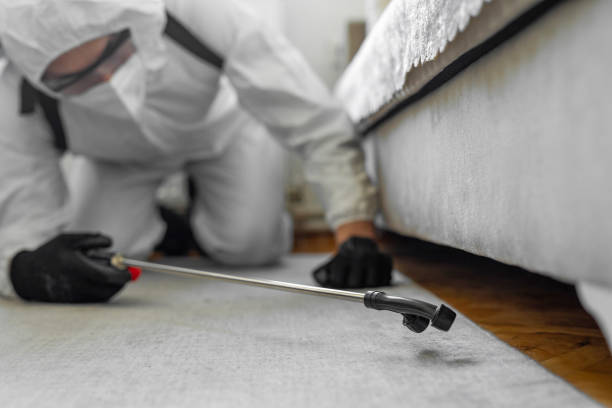
I had not had a termite inspection in over twelve years. I knew I probably should, but nothing was visibly wrong. The inspector found past activity that was fully dormant and two early-stage mud tubes at the back of the foundation that I would never have seen on my own — they were behind a downspout on the exterior foundation at ground level. Treatment addressed both active locations. I have followed up every year since and nothing has advanced. Catching it when we did meant no structural involvement at all.

I manage fourteen rental units across Denver. After one tenant reported what turned out to be a drywood frass issue that I had to address urgently and expensively, I put all fourteen properties on annual termite inspection with Show Me Pest Control. In three years, we have caught early-stage activity twice, treated both under warranty at minimal cost, and have no structural claims from any of the fourteen units in that period. The documentation has also been useful when refinancing two of the properties.

The most reliable way to know whether you have termites is a certified inspection by a licensed inspector who uses a probe, moisture meter, and systematic property walkthrough to document what is actually present. Signs that indicate you should schedule one: swarmer wings near windows or doors in spring; mud tubes on the foundation exterior; hollow-sounding wood when probed or tapped; frass deposits near baseboards; paint irregularities near door and window frames. Call +1-866-315-0243 and we will schedule an inspection in Denver.
The inspection covers the exterior foundation line from end to end, all utility penetrations and pipe entry points, any visible wood-to-soil contact, crawl space and subfloor framing if accessible, attic framing if accessible, and interior areas identified as warranting closer inspection based on the exterior findings. The moisture meter identifies elevated moisture readings in wall and floor areas that do not show surface evidence. All findings are documented in the written report issued at the time of the inspection.
Timeline from inspection to completed treatment: liquid barrier treatment, typically two to four days once approved; bait station network, one or two visits over a single week; wood injection for localized drywood, typically schedulable within a few days; fumigation, typically one to two weeks from approval due to preparation requirements. The written report presents the expected timeline for each option the inspector recommends, so you can plan around the method that fits your situation.
The main practical differences between bait stations and liquid barrier: application method (drilling and injection vs. in-ground stations); timeline to colony suppression (barrier is faster-acting; bait takes longer but works continuously); property disturbance (barrier involves trenching or drilling; bait involves only digging shallow station holes); ongoing program (bait stations require monitoring visits included in the program fee; barrier treatment is typically a one-time application with a warranty). Both are appropriate for subterranean termites. The conditions found in the inspection determine which is the better fit.
Yes. Treatment warranties issued by Show Me Pest Control are transferable to the new owner at the time of sale. The transfer paperwork is included in the warranty documentation, and Show Me Pest Control handles the transfer process. The new owner receives the warranty coverage, the full treatment history, and the inspection records — which satisfies lender requirements and provides the buyer with documented assurance that the property has been treated and is under active warranty coverage.
The standard is annual for Denver, NC properties. Termite populations do not pause, and an annual inspection ensures that new activity is identified and addressed before it reaches the structural members. For properties under a treatment warranty, the annual renewal inspection maintains coverage. For properties without prior treatment, an annual inspection is the mechanism that keeps a clean bill of health current and available for real estate, insurance, and lending purposes. Show Me Pest Control handles scheduling reminders so the annual date does not slip.
Show Me Pest Control provides certified termite inspections throughout Denver and Denver, NC. Written report issued at the time of inspection, treatment options itemized with pricing, and transferable warranties issued on completion.
Show Me Pest Control provides certified termite inspection and control services throughout Denver and across Denver, NC. Residential, investment, and commercial properties served. Call +1-866-315-0243 to confirm availability and schedule an inspection in your area.